Home › Afghanistan › Health & Society
Health & Society
Two decades of gains, now at risk from funding cuts and bans on training women.
Maternal mortality roughly halved under a donor-funded primary-care system. That system survived 2021, but hundreds of clinics closed in 2025 and no new female health workers can be trained.
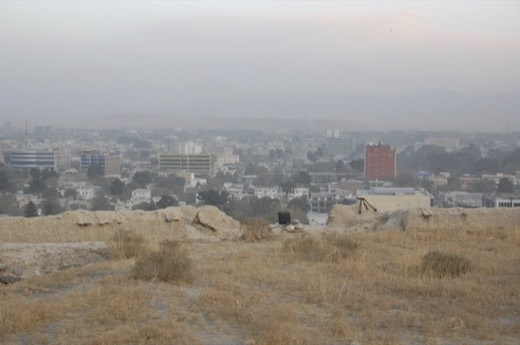
Photo: Spc. Amber Leach, Public domain
Key Facts
- ~1,450 → 620Maternal deaths per 100,000 births2000 to 2020; no independent survey since
- 422Health facilities closed in 2025WHO; Save the Children counts about 600
- 3.7 millionChildren acutely malnourishedAged 6–59 months, 2025–26 (IPC)
- 1,700+Female health workers who lost their jobsBy September 2025
Maternal deaths per 100,000 births
~1,450 → 620
2000 to 2020; no independent survey since
Before/after
| Indicator | ~2000–2003 | Republic (2017–2021) | Taliban era (2022–2026) |
|---|---|---|---|
| Maternal mortality (per 100,000) | ~1,450 (2000); 1,240 (2003) | 638 (2017); 620 (2020, WHO) | No independent national survey since 2020; Taliban MoPH claims ~638 |
| Infant mortality (per 1,000) | Among world's highest | 43 (2021) | Not independently measured; MoPH claims 22 neonatal deaths per 1,000 |
| Lifetime risk of maternal death | ~11% (2000) | ~3% (2017) | ~2.5% (2023 modelled, UN estimate) |
| Health facilities closed by funding cuts | — | — | 167 by Mar 2025;42 422 in 2025 (WHO); ~600 per Save the Children43 |
| Female health workers | Very few | Large expansion via community midwives and Sehatmandi | ≥1,700 lost jobs by Sept 2025; 153+ Family Health Houses closed;44 midwife pipeline cut by Dec 2024 ban |
| Measles | — | Endemic | >16,000 suspected cases, 111 deaths in first 2 months of 202542 |
| Polio | Endemic | Endemic (one of two remaining countries with Pakistan) | Still endemic; house-to-house campaigns restricted |
Maternal mortality ratio
- 2000
- 2003
- 2017
- 2020
- 2021+
Key points
- Republic achievement. A contracted-out primary-care model gave the Republic a big improvement in health. This started as the Basic Package of Health Services (BPHS) and later became the World Bank–managed Sehatmandi programme, run by NGOs. Maternal mortality roughly halved between 2003 and 2017.45 The system depended almost entirely on donors.
- Survival after 2021. UN agencies (UNICEF, WHO) took over Sehatmandi funding, which prevented total collapse in 2021–22.
- The 2025 crisis. The US funding suspension left 1.6 million people without care by March 2025, and WHO warned that 80% of facilities it supports could close.42 Closures reached 422 primary-care facilities and mobile teams.46 WHO data show that 44 clinics serving 363,000 people had closed in Nangarhar and Kunar before the August 2025 earthquake. Aid workers said the closures raised the death toll.40
- Access for women. Mahram rules, mandatory male escorts and the ban on training female medical staff create a structural problem: women may only be treated by women, but no new women can be trained.
- Malnutrition. IPC projects 3.7 million cases of acute malnutrition in children aged 6–59 months across 2025–26, about 26% of them severe. It also projects 1.2 million acutely malnourished pregnant and breastfeeding women.47
AFM's Position
The dignity and safety of every person come first.
Research & References
Small numbers beside a figure link to its source. Figures from Taliban ministries are reported as claims and cannot be independently verified.