
Afghanistan Knowledge Center
Data. Analysis. Reports. Timelines. A trusted resource on Afghanistan's past, present and future.
Featured Research
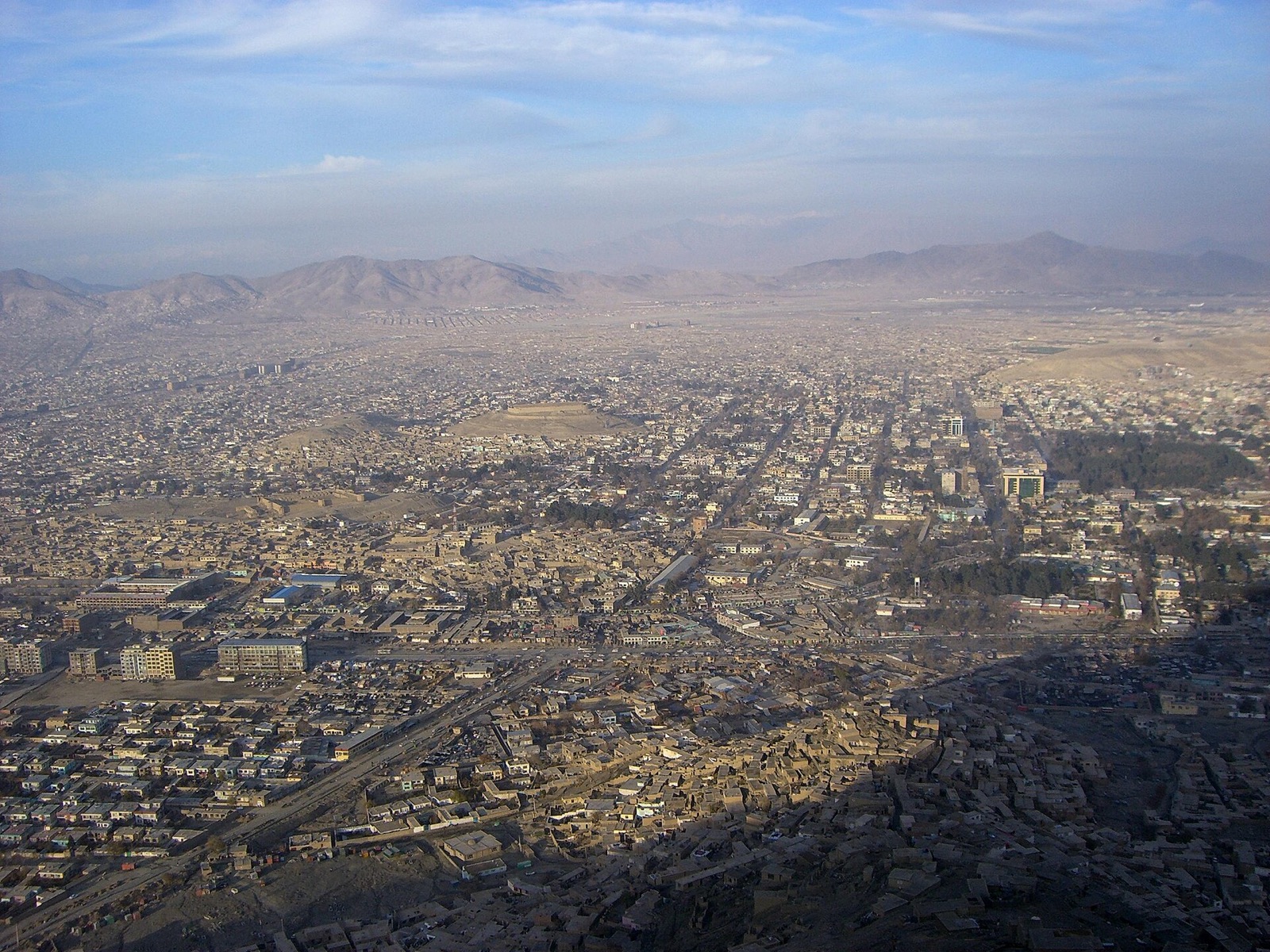
 The State of Afghanistan 2026What was built. What was lost. What must come next.Read report
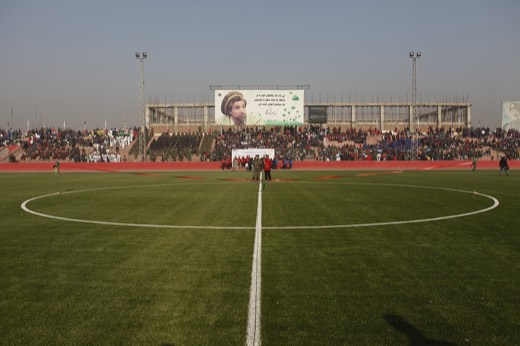 Free Speech, Democracy, Youth and SportsThe Republic and Taliban rule compared, 2001 to 2026.Read report
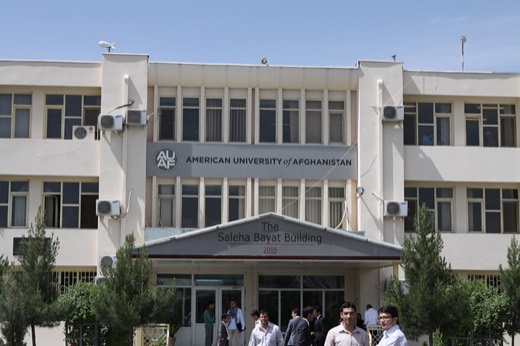 Education in Afghanistan, 2001–2026Data and analysis, charts and policy insights.Read analysis
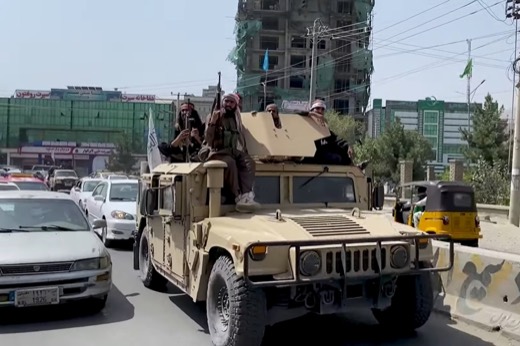 Afghanistan Before & AfterA timeline from 2001 to 2026, with the key indicators side by side.Open timeline
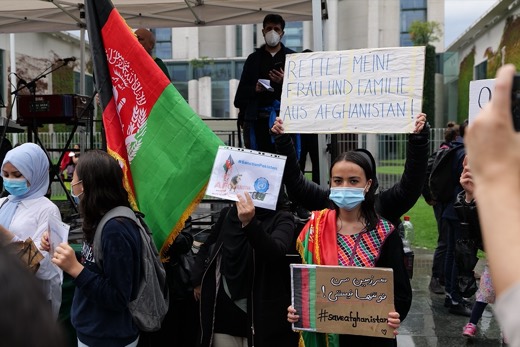 Women & GirlsRights, education and opportunity.Read analysis
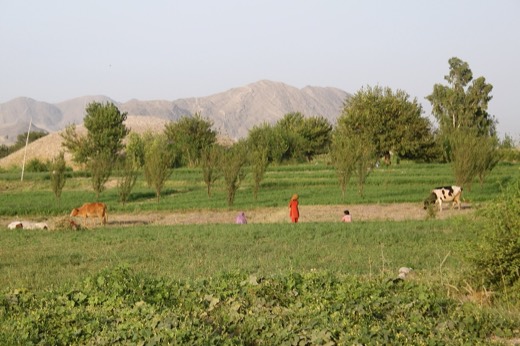 Economy & IndustryJobs, innovation and opportunity for a stable Afghanistan.Read analysis
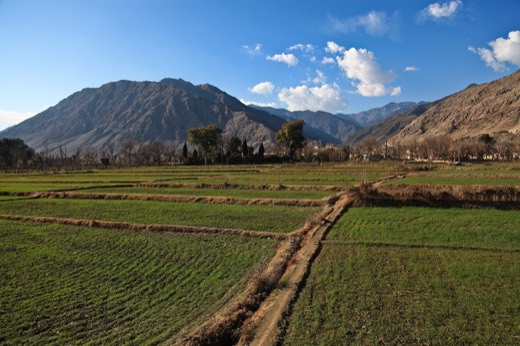 Health & SocietyTwo decades of gains, now at risk from funding cuts and bans on training women.Read analysis
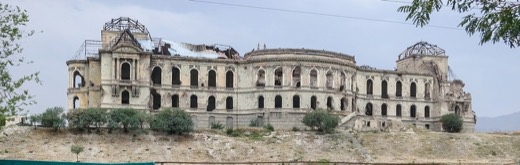 Democracy & GovernanceFrom flawed elections to no elections at all.Read analysis
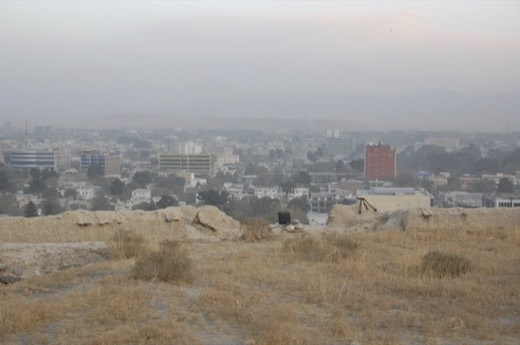 Freedom & MediaFrom a diverse media sector to severe restrictions.Read analysis
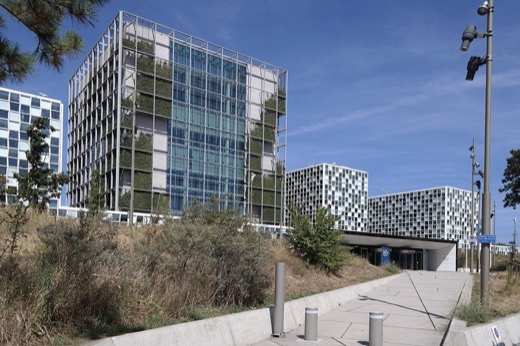 Rule of Law & JusticeCorruption under both systems; due process under neither.Read analysis
 Security & ConflictThe war ended. New violence has begun.Read analysis
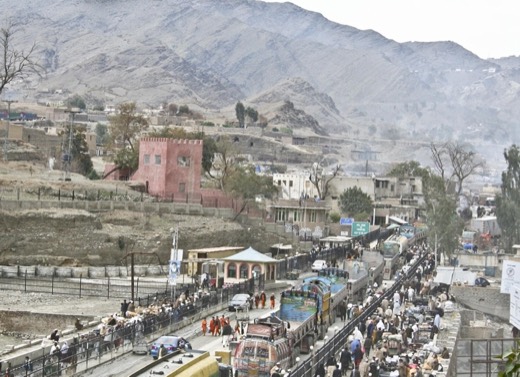 Humanitarian SituationNearly 22 million people in need, and the money to help them is disappearing.Read analysis
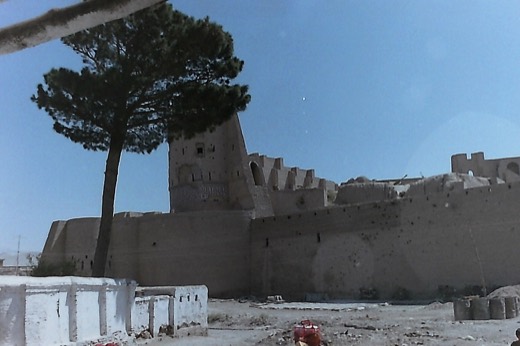 Culture & Daily LifeMusic, sport and the arts, before and after.Read analysis
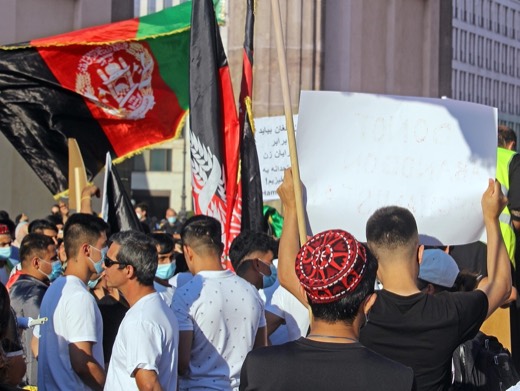 YouthSixty-three percent of Afghans are under 25.Read analysis
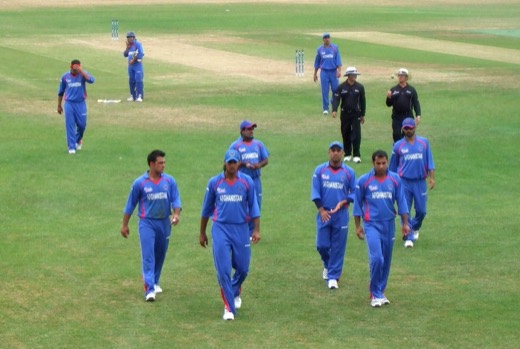 SportsA men’s cricket team at its best, and women’s sport banned at home.Read analysis
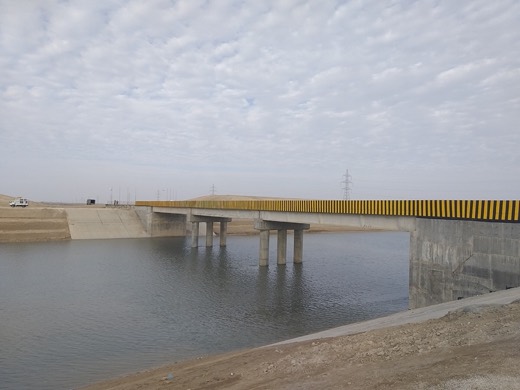 Infrastructure & DevelopmentTrade, telecoms and the projects that connect the country.Read analysis
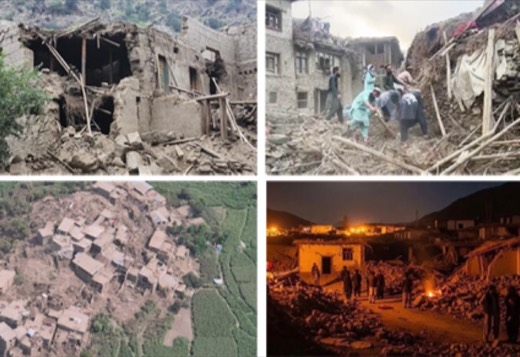 Latest from AFMNews of events in Afghanistan, with sources, and the movement’s own statements.Read the news
 ReferencesThe 87 published sources behind the figures on this site.Open the list
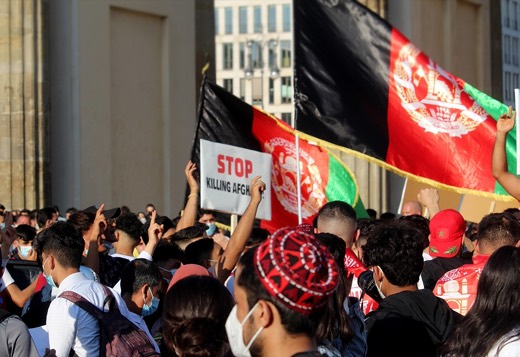 Declaration of PrinciplesThe principles of the Afghanistan Freedom Movement.Read the declarationStatementsDated, numbered official statements of the movement. 1 so far.Read statements
Nothing matches yet. Try another word, or choose “All”.
Data Explorer
Total students in Afghanistan (millions)
From about 1 million students in 2001 to about 10 million in 2018. Primary enrolment alone fell from 6.8 million in 2019 to 5.7 million in 2022, and secondary and higher education have been closed to girls.
Source: UNESCO, World Bank
Read the full reportGirls barred from secondary school (millions)
About 1 million girls were in secondary school in 2021. Since the ban of March 2022 the number shut out has grown each year, and could approach 4 million by 2030 if the ban continues.
Source: UNESCO, UNICEF
Read the full reportGDP per capita (current US$)
Income per person peaked at $688 in 2012, fell by about a third in 2021–22, and has only partly recovered. It is falling again as millions of people return from Iran and Pakistan.
Source: World Bank
Read the full reportCivilians killed and injured per year
More than 10,000 civilians were killed or injured every year from 2014 to 2019. After the war ended in 2021 the figure fell to the hundreds, though cross-border strikes since October 2025 are reversing this.
Source: UNAMA
Read the full reportEconomist Democracy Index (0 to 10)
Even before 2021 the Republic was rated an authoritarian regime. The score then fell to 0.25, the lowest of 167 countries, with zero for political participation, elections and civil liberties.
Source: Economist Intelligence Unit
Read the full reportOpium cultivation (thousand hectares)
Cultivation fell by about 95% after the ban was enforced in 2023. UNODC calls the gains fragile, and reports that methamphetamine production keeps rising.
Source: UNODC
Read the full reportPhoto: Sven Dirks, CC BY-SA 3.0
