Home › Afghanistan › Infrastructure & Development
Infrastructure & Development
Trade, telecoms and the projects that connect the country.
Fibre, mobile networks and banking were built largely with donor money under the Republic. Trade has since shifted towards Central Asia, China and Russia, cash has replaced banking, and in 2025 the internet was shut down nationwide for the first time.
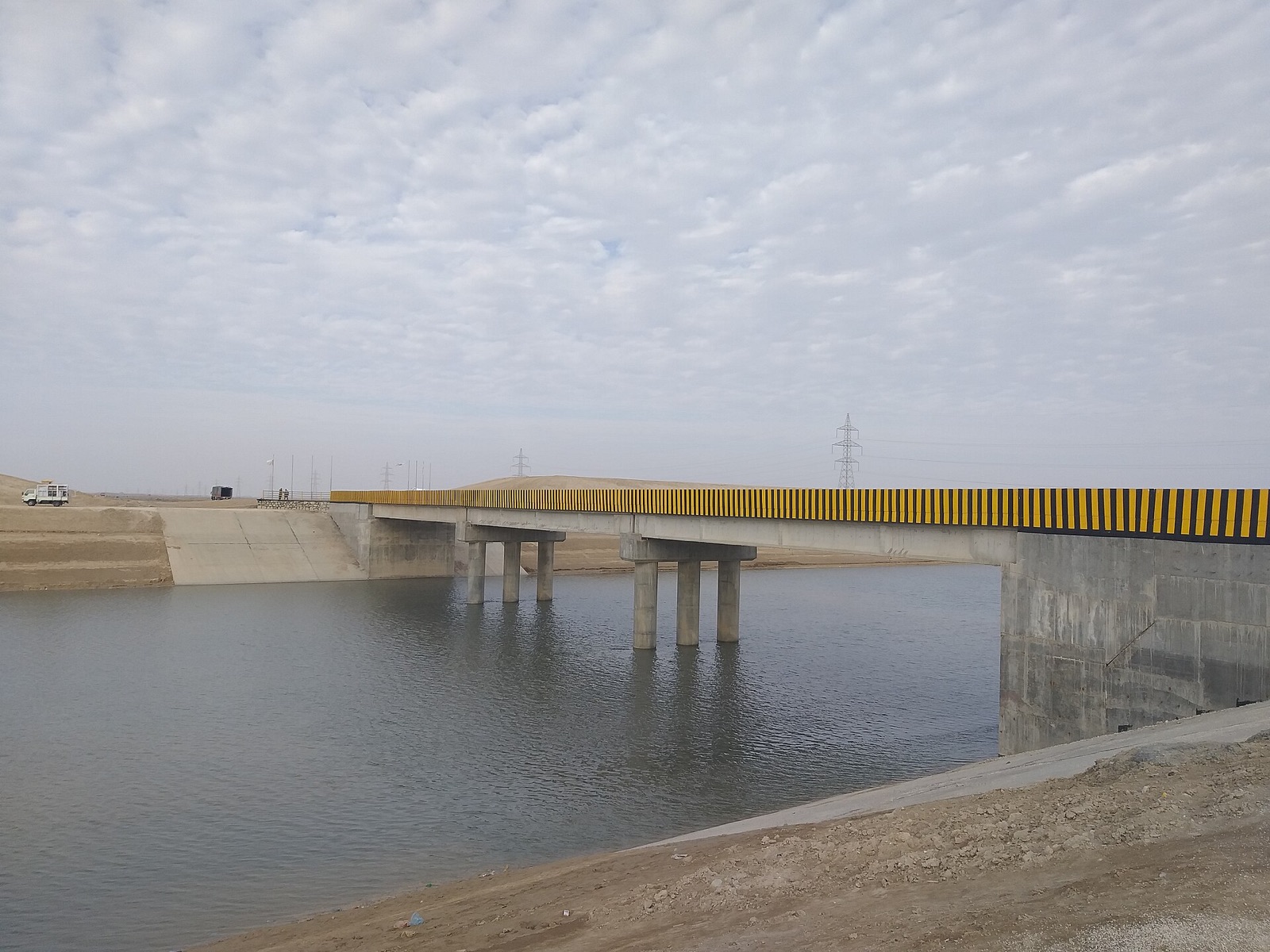
Photo: Bek1998, CC BY-SA 4.0
Key Facts
- 9,350 kmFibre-optic networkLargely built under the Republic
- 48 hoursNationwide internet blackout29 September to 1 October 2025; under 1% of normal connectivity
- 285 kmQosh Tepa canalSelf-financed; downstream states worry about the Amu Darya
- 183Mining contracts awarded13 of them major; many at an early stage
Commerce, Trade, Telecom and Finance
| Area | Republic | Taliban era |
|---|---|---|
| Exports | ~$0.8–0.9bn goods (2019–20), dominated by fruit, nuts, carpets, coal | Rose in 2022 (+43% G&S nominal) on coal and agricultural exports to Pakistan; flatter since; Pakistan border closures (Oct 2025 onward) a major disruption |
| Imports | ~$6–7bn, financed by aid inflows | Collapsed −30% (2021); rebounded +34% (2022), +14% (2023), +19% (2024); widening trade deficit |
| Main partners | Pakistan, India, Iran, China, UAE, Uzbekistan | Pakistan (disrupted), Iran, Central Asia, China, Russia; India via Chabahar/air corridor reduced |
| Women-owned businesses | Growing, supported by donor programmes | Severely constrained: salon closures, mahram rules, NGO bans; women's enterprises mostly home-based |
| Finance | Formal banking growing but shallow | Cash dominance deepening; women's account ownership 6.8%1 |
| Telecom/internet | Rapid mobile growth; 9,350 km fibre network largely built in Republic era | Fibre bans by province from 16 Sept 2025; first nationwide 48-hour blackout 29 Sept–1 Oct 2025 (<1% normal connectivity per NetBlocks); social media restrictions afterward; reports in May 2026 of orders to cut residential fibre in Kabul (single-source, unconfirmed) |
| Shutdown cost | — | World Bank: ~US$2m output lost per 24 hours ($3–4m for the 36–48-hour blackout), likely an underestimate2 |
AFM's Position
Afghanistan's future rests on inclusive and sustainable economic development: investment, jobs, and the transparent and responsible development of the country's natural resources.
Research & References
Small numbers beside a figure link to its source. Figures from Taliban ministries are reported as claims and cannot be independently verified.