Home › Afghanistan › Youth
Youth
Sixty-three percent of Afghans are under 25.
Most of the country has no adult memory of the first Taliban regime. The Republic gave this generation schools, universities and media, but too few jobs. Since 2021 girls have lost their schooling, and few jobs have been added for anyone.
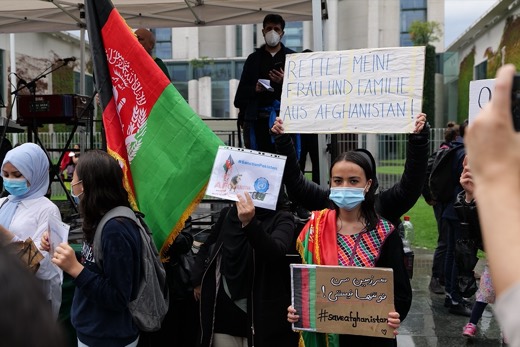
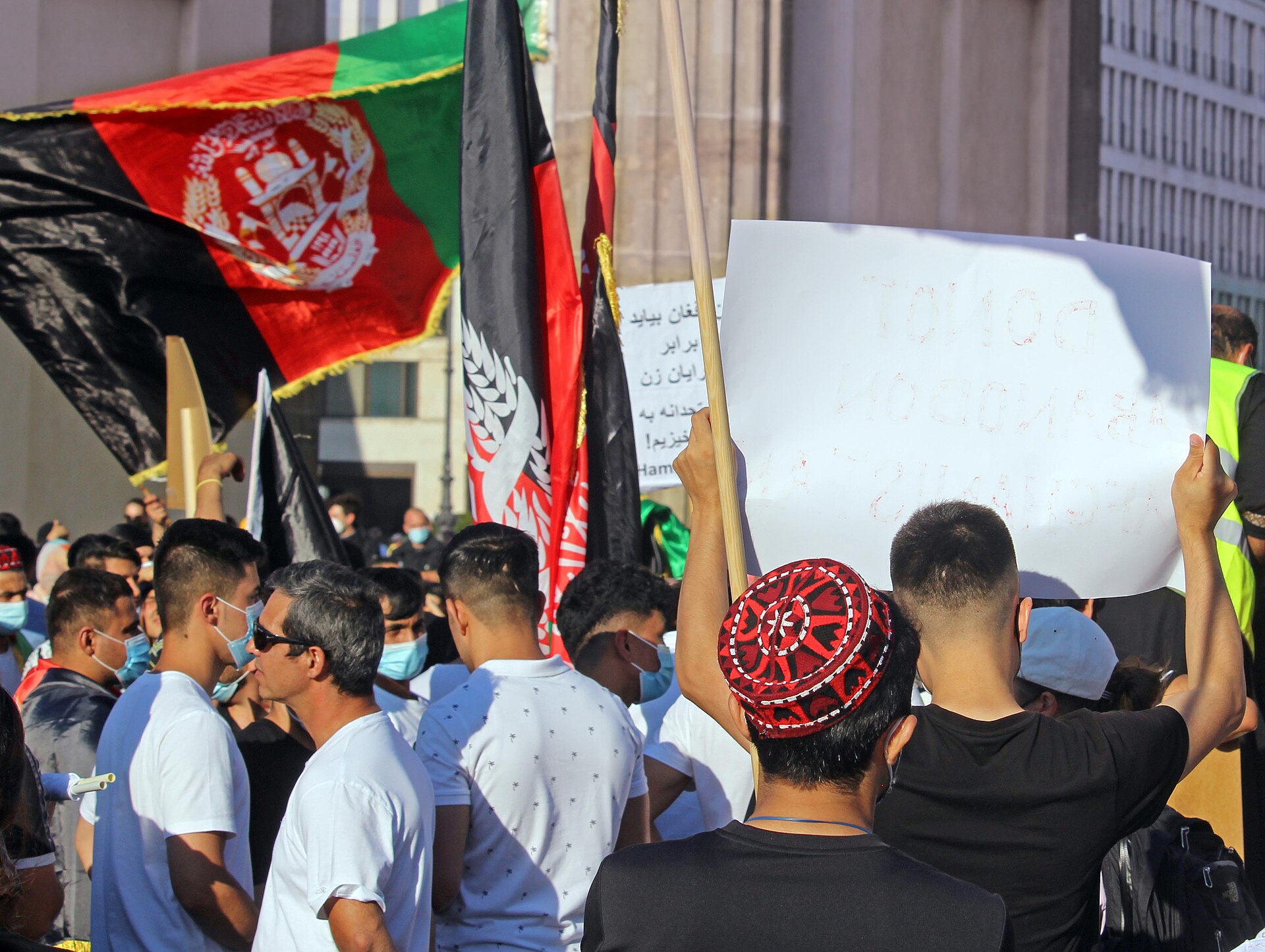
Photo: Der Südstern, Public domain
Key Facts
- 16.8%Youth unemployment, ages 15 to 24 (%)ILO model, 2025; other estimates exceed 30% in cities
- 63%Afghans under 25UNFPA, 2026
- 78%Young women not in education, work or trainingAbout four times the male rate (UN Women, 2024)
- 2.4 millionGirls out of secondary schoolUNESCO, August 2026
Youth unemployment, ages 15 to 24 (%)
16.8%
ILO model, 2025; other estimates exceed 30% in cities
Youth
Sixty-three percent of Afghans are under 25, so most of the country has no adult memory of the first Taliban regime (UNFPA via Kabul Now). The Republic gave this generation schools, universities and media but too few jobs. The Taliban era has removed the schooling for girls and added few jobs for anyone.
Before and after
| Measure | Republic era | Taliban era |
|---|---|---|
| Share of population under 25 | About 63% | 63% (UNFPA, 2026) |
| Share under 15 | Over 40% | Over 43% (Hasht-e Subh) |
| Population | About 39 million (2020) | 48.6 million UN estimate for 2026; Taliban authorities say 37.2 million |
| Youth unemployment, ages 15 to 24 (ILO model) | 10.0% (2010); 16.0% (2021) | 17.5% (2022), 17.2% (2024), 16.8% (2025) (World Bank via FRED) |
| Urban youth unemployment | Not comparable | Above 30% (ILO, 2023) |
| Young women not in education, work or training | High, but falling as girls stayed in school | 78%, about four times the male rate (UN Women, 2024) |
| Girls in secondary school | About 1 million (2021) | 0; 2.4 million excluded (UNESCO, Aug 2026) |
| Women at university | More than 100,000 | 0 since Dec 2022 |
| Legal minimum marriage age for girls | 16 under the civil code | Not enforced; a UN committee has condemned a Taliban regulation as legalising child marriage |
The two unemployment series disagree. The ILO model shows about 17%, while other estimates put it above 30%. The model counts only people actively seeking work, so it understates joblessness where most young women are barred from working.
The Republic-era generation
- Education: enrolment grew about tenfold between 2001 and 2021, and universities expanded from a handful to more than 150 public and private institutions. The university count is approximate.
- Voice: young Afghans staffed the new TV stations, ran civil society groups and made up much of the electorate. A national youth policy was adopted in 2014.
- Problems: jobs never kept pace with graduates. Roughly 200,000 Afghans applied for asylum in Europe in 2015 alone (approximate). Armed groups and pro-government militias recruited minors. Drug use was widespread. The abuse of boys known as bacha bazi persisted, including among security forces.
Under the Taliban
- Girls and young women: barred from school after grade 6, from university, from most jobs and from parks and gyms. Rights groups report rising depression and forced and child marriage.
- Child marriage: one public hospital in northern Afghanistan recorded 42 underage births in the first five months of 2026, and families describe promising daughters in marriage to clear debts (Guardian summary).
- Young men: face rules on beards, hairstyles, clothing and music under the 2024 vice and virtue law. Many go to Iran or Pakistan for work and are then deported.
- Brain drain: about 124,000 people were airlifted out in August 2021 (approximate), many of them educated professionals. University staff, journalists and athletes followed.
- Religious schooling: the authorities have expanded madrassas and revised curricula toward religious subjects. No independent count exists.
- Returnees: more than 6 million people have returned from Iran and Pakistan since September 2023, many of them young people born abroad.
- Workarounds: girls study through online courses, radio lessons and secret classes. The 2025 internet shutdown showed how fragile these are.
What improved for youth: boys and young men in former war zones are no longer conscripted into or killed by a daily war. Conflict recruitment of minors has fallen with the fighting.
AFM's Position
Young Afghans must have access to education, employment and political participation. Investing in them is investing in the country's stability.
Research & References
Small numbers beside a figure link to its source. Figures from Taliban ministries are reported as claims and cannot be independently verified.